
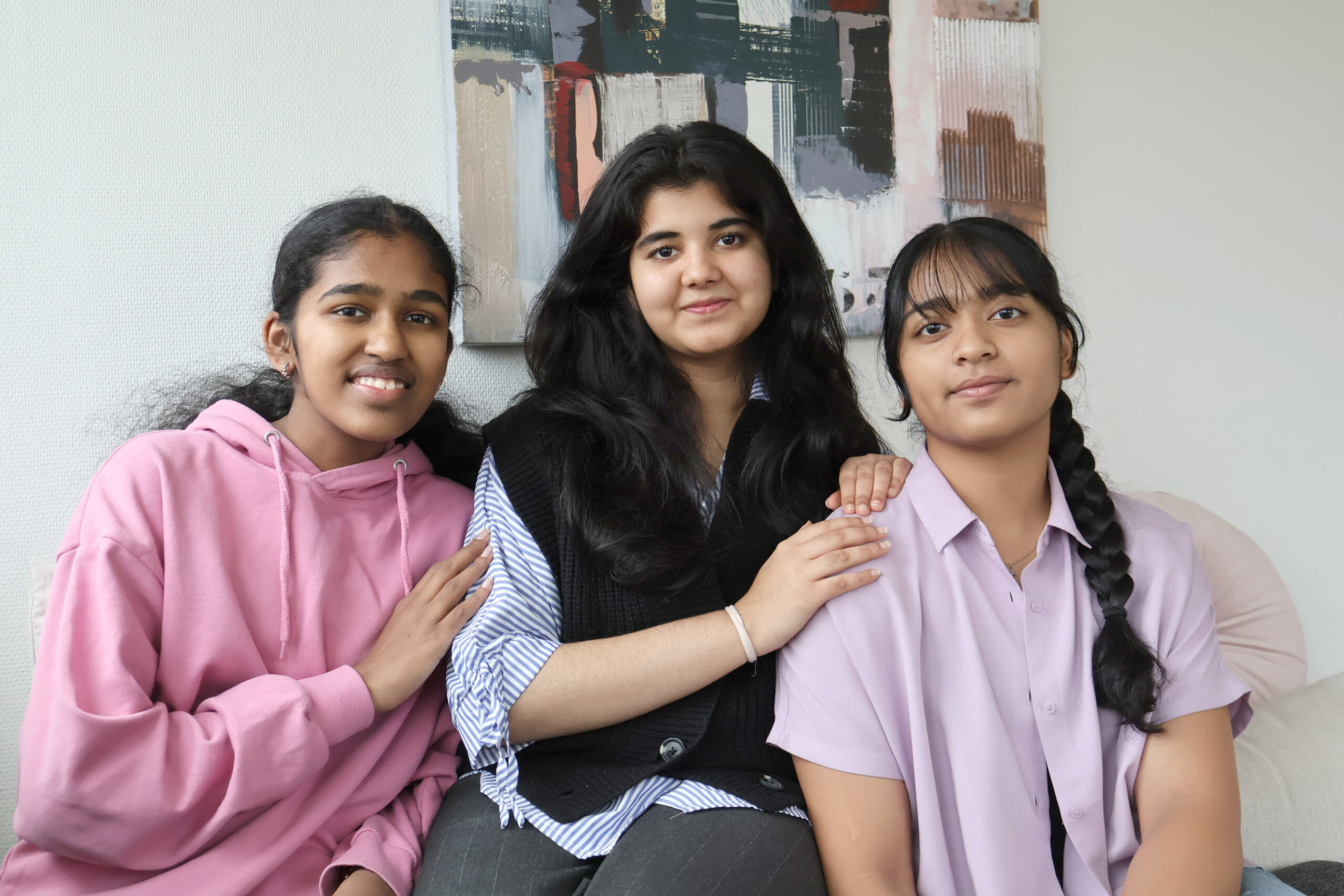
Four brilliant and enthusiastic lower secondary school students chose Taksvärkki this month for the place of their Introduction to Working Life period or TET in Finnish.
One of their tasks was to learn more about Taksvärkki’s development cooperation projects, plan questions and interview Taksvärkki’s Program Officer Jaakko Lavonius who had just returned from a yearly project monitoring trip to Mozambique.
The following article is written by Taksvärkki’s TET interns Arunika, Lavisha, Nithila and Varsha.
Development cooperation in Mozambique
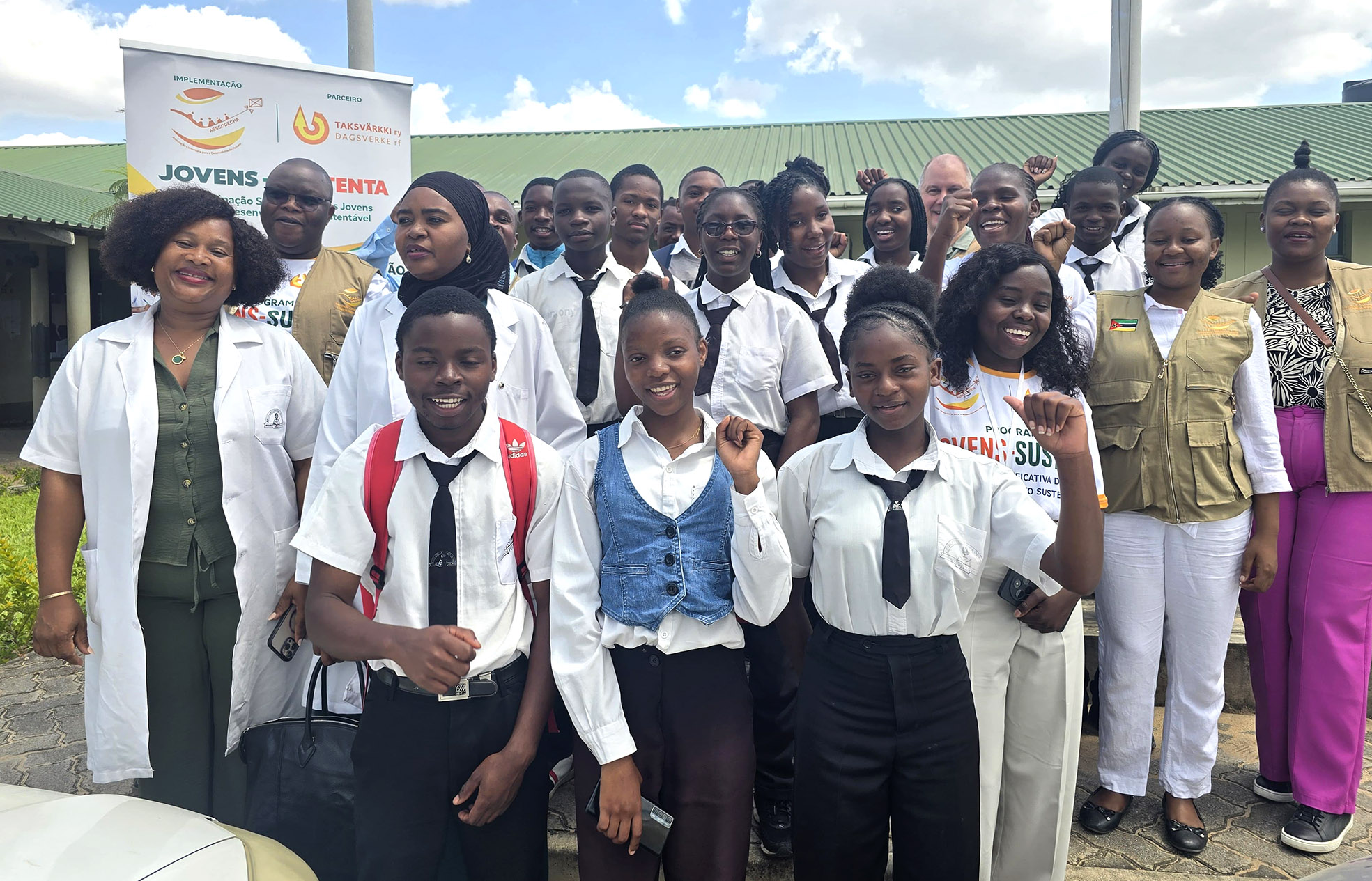
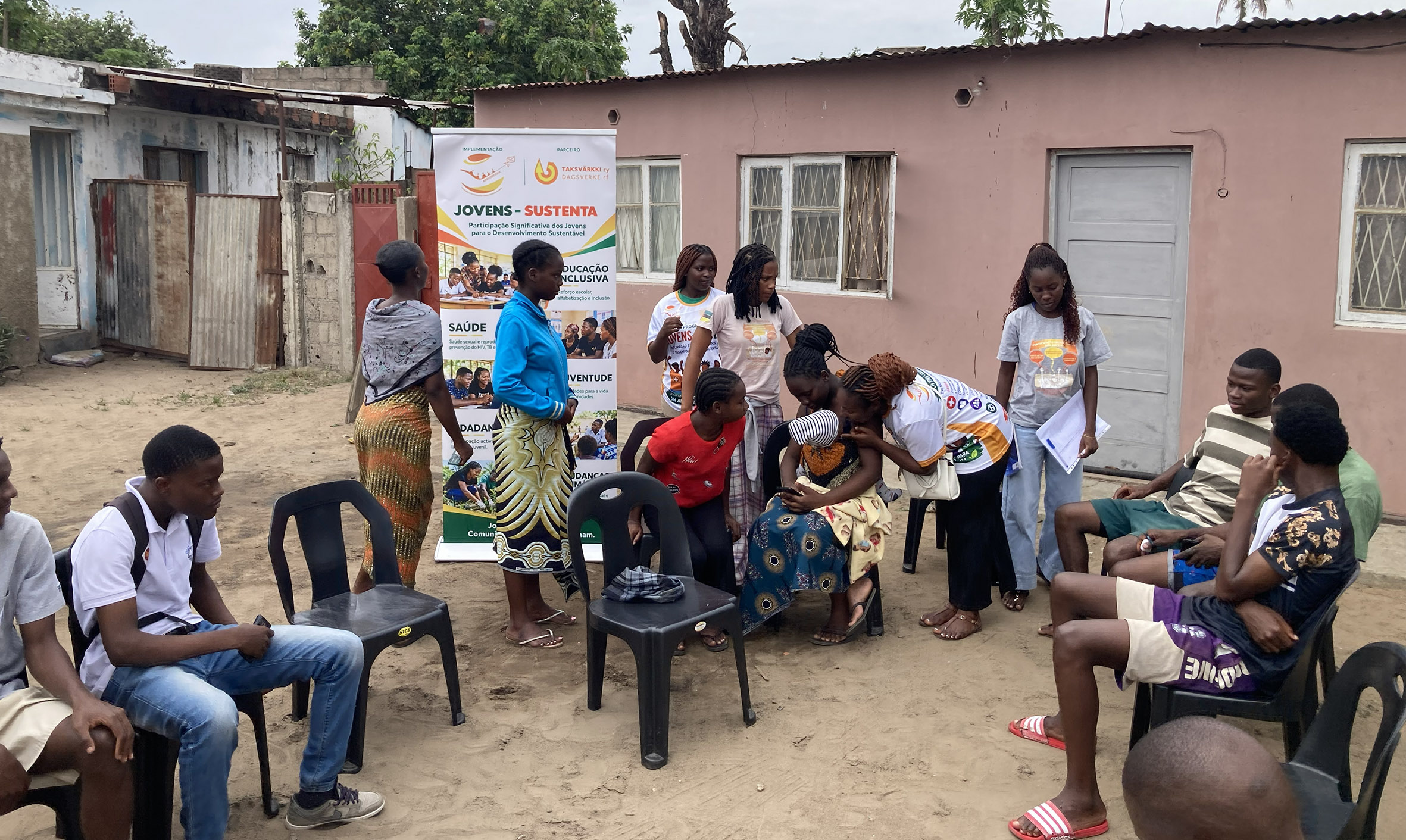
Taksvärkki is partnered with an NGO based in Mozambique, ASSCODECHA, which currently has a development program primarily in Maputo. This project promotes youth-led social change based on human rights, gender equality and social justice. The project supports the active citizenship of the youth and aims to improve their influencing skills and critical thinking. The youth address critical issues like the lack of accessible healthcare or discrimination and harassment in schools.
What are some initiatives that the youth in Mozambique have prioritized?
Nowadays, Taksvärkki in Mozambique focuses on issues relating to health, education, youth participation and active citizenship and climate change. There are often annual climate crises that leave many people in bad conditions, like floods, draughts, and hurricanes. The youth work with the leaders to prevent the damage caused by the floods, for example by establishing drainages and canals to make alternative routes for the water to flow through during a flood.
Young people do advocacy work in their schools. They advocate for problems like the lack of disability inclusion and try to establish a more equal school environment for different genders free of discrimination They are also working toward eradicating sexual harassment. Young people are forming various support groups; like for their peers with learning difficulties or those who have dropped out of school, in which they also educate others about how to support people with these conditions. There are separate anti-drug groups formed by the students themselves designed to sensitize young people on the risks of substance abuse.
What are the types of youth that take the most initiative?
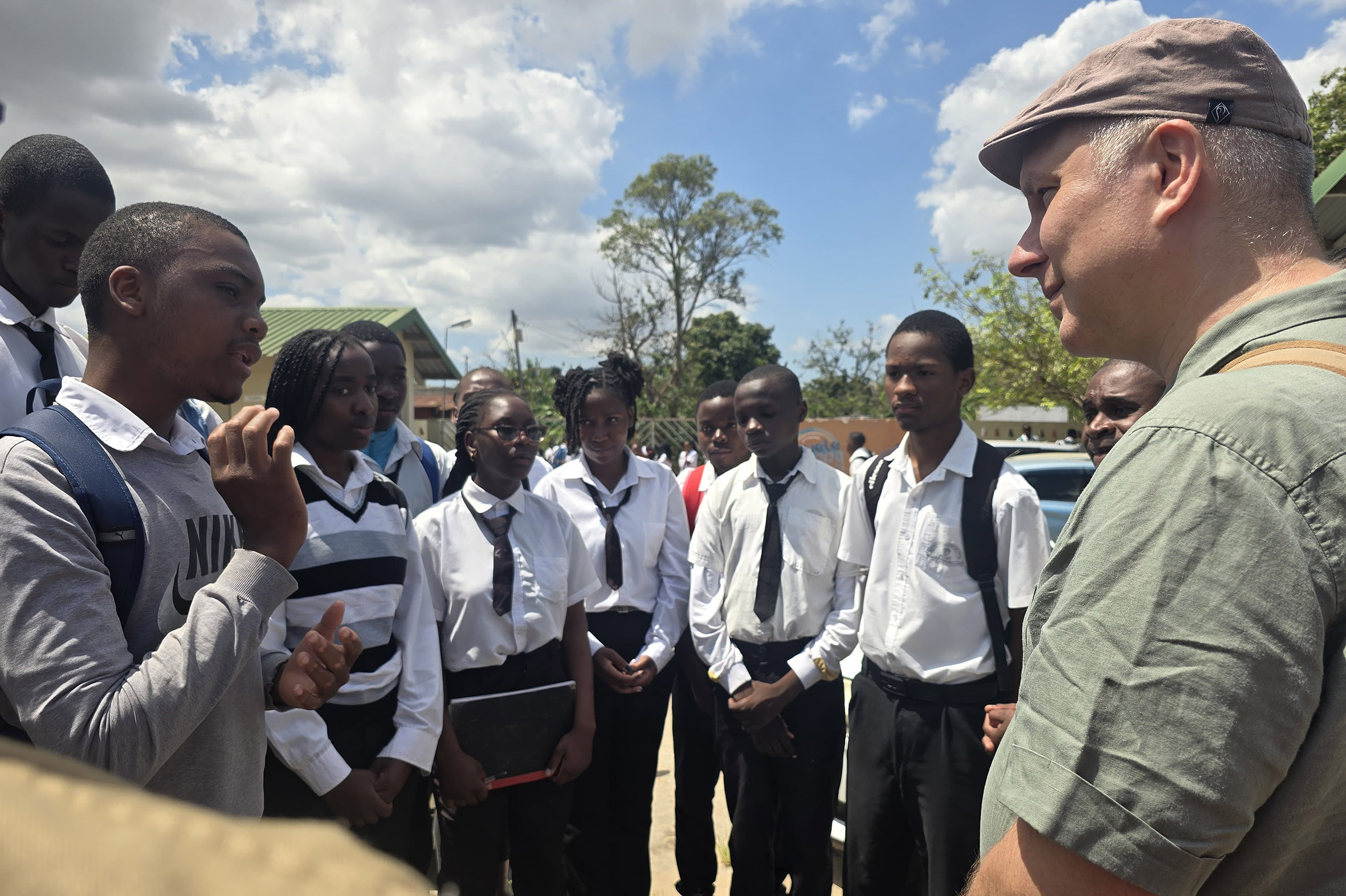
Most of the youth activists working in the project as volunteers are young women living in the areas where the Taksvärkki and ASSCODECHA projects operate. Other adolescents and youth (late teens to early 20s), mostly in secondary school, take the most initiative to form their own support groups in their schools and neighborhoods.
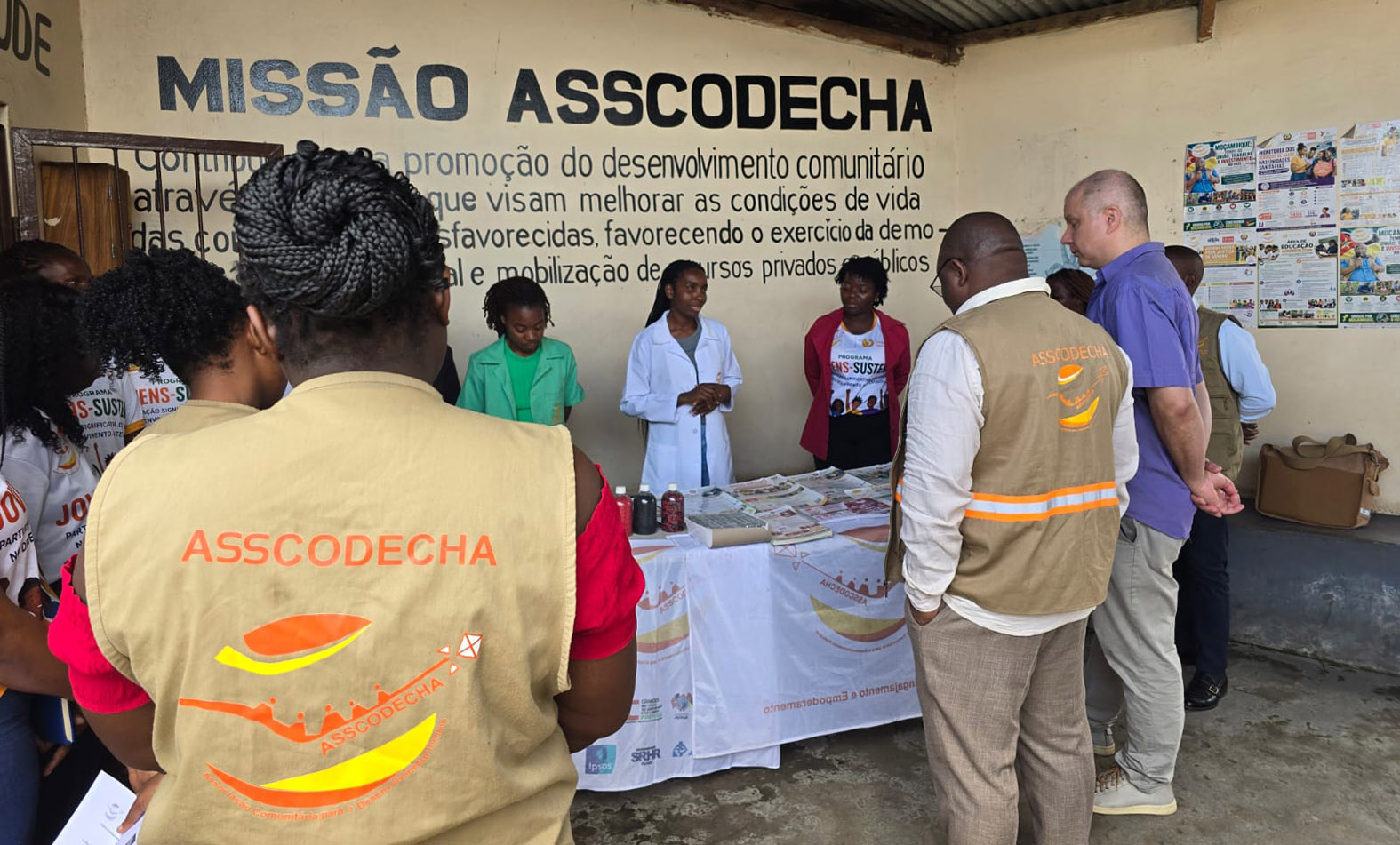
The youth activists and volunteers provide information and guidance on SRHR, STI testing and contraceptives in mobile clinics, ASSCODECHA premises and in the health centers. There are youth-led support groups for people that have conditions that are considered taboo, for example STIs like HIV. Peer support groups for youth living with HIV meet regularly for psychosocial support, mutual encouragement in carrying on with the treatment and living an otherwise regular and fulfilling life.
Another example of these groups includes supporting persons with disability. One example is a blind student teaching their classmates with visual impairment to read braille.
What methods are effective in conveying messages and relating to the youth in Mozambique?
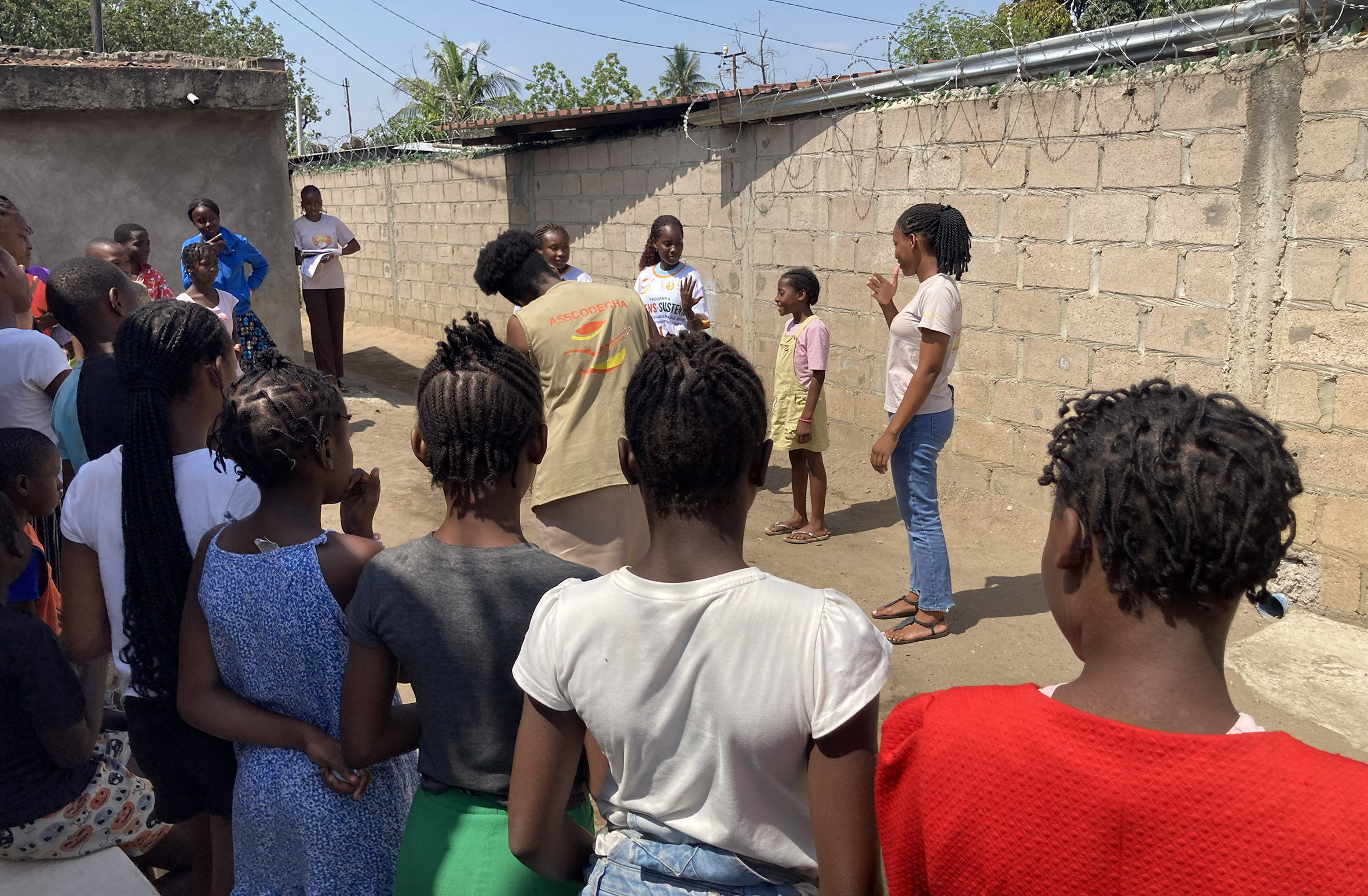
Presenting serious problems like sexual harassment and teenage pregnancies through drama and theatre were used to reach the local communities. It’s easier for people to relate to foreign issues through their own culture and makes them more likely to try and make a change in their own community.
Jaakko, can you share what kind of different cultures you have observed during your trips?
The first time I went to Mozambique, it felt like a very new and different country to me, but speaking a language they speak there, Portuguese, I was able to connect more with the people there and feel a sense of familiarity. Eating the local food has been a nice experience. A dish called Matapa is made from cassava leaves, peanuts and coconut milk, and is eaten with fish.
What do you think the effects of the Taksvärkki program will be on the future of the youth from Mozambique?
We hope that the current youth engage into the community and have meaningful roles in society. We want them to have a voice and speak up to authorities and local leaders to make their society a better place for the future generations. Even though the project only operates in specific areas, we hope that the youth from there will encourage one another, even if they’re from different places. The goal is for activism by young people and youth-led support groups to become a normal part of their lives.
We want the current problems to be solved not only by partners like ASSCODECHA, but by the community, decisionmakers, authorities and service providers. These are the so-called duty-bearers. We support the youth with training so they can be actors of change. This leads to them being self-dependent and making a difference in the world; they will make it a better place for everyone, bit by bit.
From the writers
We are middle school students at an international school in Finland. Our school is part of Taksvärkki’s Global Citizen’s School network (GCS). Global Citizen’s Schools are provided with global education, led by Taksvärkki, about equality and human rights. Taksvärkki implements long-term cooperation with the Global Citizen’s School’s network so that they can increase students’ understanding of what it means to be a global citizen.
Questions: Nithila and Arunika
Interview and text: Arunika, Lavisha and Varsha
Support: Jaakko Lavonius and Pamela Aranen
Photos: ASSCODECHA, Jaakko Lavonius and Pamela Aranen