Taksvärkki’s development cooperation program aims at meaningful youth participation for a sustainable and equitable world.
The objective of Taksvärkki’s (ODW Finland) development cooperation programme is to promote youth rights and the participation of youth in society as well as active citizenship in Finland and the countries involved in the program. During the programme period 2026–2029, Taksvärkki will operate in Guatemala, Kenya, Malawi, Mozambique, Nepal and Sierra Leone. In Taksvärkki’s programme, among other things, more than 2000 vulnerable youth are trained in human rights, life-skills and livelihoods each year.
The common objective of all programme partners is to empower youth, promote youth participation in society and defend youth rights. Direct support to non-governmental organizations in developing countries strengthens the local civil society and increases the space for civil society actors to participate in decision making that affects them.
Global citizenship education and development communications are also key elements of the Taksvärkki’s development cooperation programme. The programme aims to increase the capabilities of Finnish youth to take action in the global framework, and to promote solidarity. In Finland, global citizenship education and development communications are being carried out nationally and both in Finnish and Swedish.
The development cooperation programme 2026–2029 describes more specifically the principals and goals of Taksvärkki’s activities. The programme is funded by programme support from the Ministry of Foreign Affairs of Finland.
More information:
Veera Blomster
Programme Officer
tel. +358 50 495 3778
veera.blomster@taksvarkki.fi
Jaakko Lavonius
Programme Officer
tel. +358 44 544 5657
jaakko.lavonius@taksvarkki.fi
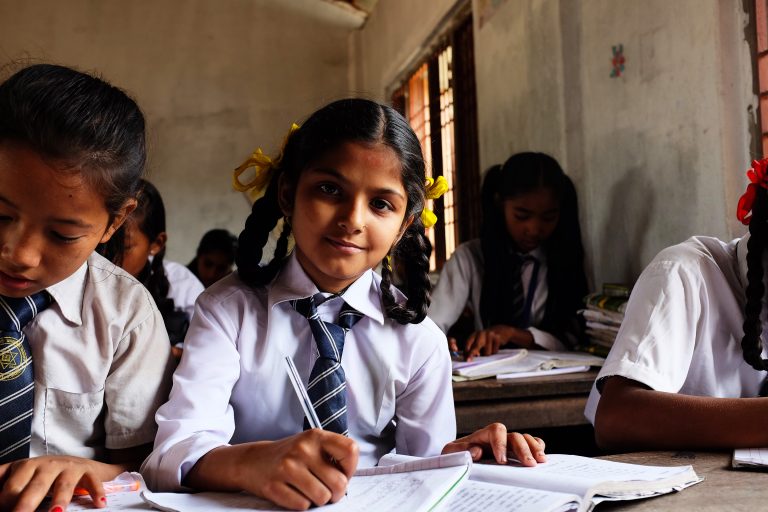
Child clubs, youth councils and youth groups. ODW Finland (Taksvärkki) has currently six development cooperation projects and partner organizations.
Young Changemakers
The objective of all of Taksvärkki’s (ODW Finland) programme partners is to defend the human rights of young people and to strengthen their social inclusion. Youth should be seen as active changemakers in their communities and in their own lives. In all of Taksvärkki’s programme countries, more than half of the population is made up of children and youth. The work of Taksvärkki and its partners focuses on the most vulnerable youth so that their dreams for the future can come true. The youth at the heart of the projects, who face the most challenges in their lives, are girls who have dropped out of school, youth living on the streets and schoolchildren in remote villages.
There is a lot of potential in youth. Taksvärkki’s projects train youth on human rights, advocacy, life management skills and livelihoods, while developing the youth’s self-confidence and argumentation skills. Central to this is the ability and motivation of youth to demand the realization of human rights. As talents and skills accumulate, youth themselves organize events to develop their communities and act as peer educators and role models.
Gender Equality
Gender equality and the empowerment of girls and women are key objectives in Taksvärkki ry’s development cooperation programme. More than half of the young people who have participated in the programme’s activities and of the youth who are active in project activities are girls or young women.
Disability Inclusion
The work to improve disability inclusion focuses on the expertise, capacity, tools and operating methods of Taksvärkki and its partners. The staff and key stakeholders of Taksvärkki and all its partner organizations have been trained in disability issues. The trainers are activists in local disability organizations. The expertise of local disability organizations has been utilized in the preparation and monitoring of new projects and in the development of disability inclusion development plans or equality strategies by partner organizations.
Development Cooperation Projects
Taksvärkki has implemented development cooperation projects since 1967. The funds required have come from our own fundraising efforts and from project support granted by the Finnish Ministry for Foreign Affairs.
We currently have projects in Guatemala, Kenya, Nepal, Malawi, Mozambique and Sierra Leone. Below you can find descriptions of each project.
Our earlier projects have included e.g. improving the status of young indigenous people in Bolivia, providing vocational training for youth in Mozambique, teaching young people to read and write in Madagascar, preventing child sexual abuse in Guatemala, and supporting the victims of child trafficking in Cambodia.
Taksvärkki's Development Cooperation Programme
Read our Development Cooperation Programme (pdf) for the years 2026–2029.
Evaluation of ODW Finland (2022–2025)
External evaluation of Taksvärkki’s Development Cooperation Program was completed in December 2024. You can download the evaluation report on this page:
Taksvärkki Program Evaluation 2022–2025, final report (pdf).
Guatemala: Youth Groups Constructing Political Citizenship

In Guatemala, Taksvärkki and its partner Programa de Atención, Movilización e Incidencia por la Niñez y Adolescencia PAMI (webpage in Spanish) promote the inclusion and opportunities of young people.
The project’s youth groups offer young people peer support and a platform to act as agents of change. Year-long courses on human rights and civic skills enhance young people’s capacity for active citizenship and advocacy work. The project works towards a society that is open to all and free from discrimination.
Background
Guatemala is classified as a middle-income country, but inequality is among the most severe in Central America. The share of public funding allocated to children and youth is insufficient, and, for example, the child malnutrition level is alarming. Future prospects of youth are hindered by deficiencies in education, as well as by violence and organized crime.
People with indigenous identity face structural discrimination and their proportion stands out in poverty statistics. Adult centered culture and indifference to violence against children pose challenges to rights-based youth work. Trust in public institutions is low, and the persecution of socially active individuals narrows the civic space. The justice system is dominated by economic and military elite while impunity level remains high. Corruption and political polarization pose challenges to sustainable development.
Project
The project supports youth’s right to participation in two municipalities in Chimaltenango, Guatemala. The project strengthens their ability to understand, defend, and promote youth rights as part of sustainable development.
Annual civic education courses enhance youth’s knowledge about human rights and duty bearers’ responsibilities to safeguard these rights, about public decision-making structures and processes, and their own role as active citizens. The course motivates participants to join the youth groups and act for advocacy, communication campaigns, and peer education.
The project creates space for youth representation in local development structures and civil society networks, strengthening the youth groups’ impact and sustainability. Enhanced dialogue with adults on structural discrimination, youth participation, and the importance of active citizenship supports youth activism.
Kenya: Our Rights Bridge to a Good Life
In Kenya our project is being implemented by Undugu Society of Kenya. The aim is to promote socio-economic empowerment of vulnerable young people living and working on the streets. Undugu has created a method that encourages the existing groupings of street youth organize their groups into formal structures.
In the associations, individuals can get peer support, learn a profession and earn money with their work. By learning leadership and advocacy skills these young people act as agents of change within their own communities.

Background
Kenya has a growing economy, but wide wealth disparities. Around third of the population live on less than $2.15 a day. 75% of Kenya’s population is under 35 years old. The unemployment rate for youth aged 15-34 in Kenya is high.
Every year, one million youth enter the labour market without the required basic or further education and employment skills. Of those entering paid employment, 30% work in irregular or informal jobs. The risks of becoming homeless or ending up on the street, exclusion, falling into drug addiction, crime or radicalisation are significant.
Project
The project supports youth living and working on the streets to become change agents in their communities and to defend their rights. Youth leadership and empowerment are supported to ensure that youth have access to decision-making processes that affect them, to services they deserve, and to changes in legislation, policies and programmes that prioritise the empowerment of youth living and working on the streets and their protection from discrimination, poverty, violence and abuse.
Through membership in the associations set up during the project, youth gain peer support and structure in their lives. Youth ownership of the project is strong. Through a coordination committee of association representatives, youth are involved in all planning, decision-making, implementation, monitoring and evaluation. The networking of associations with different authorities is promoted to ensure the realisation and protection of their rights.
The youth have improved chances of climate-resilient livelihood opportunities and more secure future through attitude changes and cooperation in the communities. The aim is to create a socio-economic environment in which governments provide services and social amenities that enable communities to live with dignity and self-sufficiency, thereby building resilience against poverty, homelessness, and human rights violations.
Malawi: Girls Empowerment for Meaningful Participation and Education
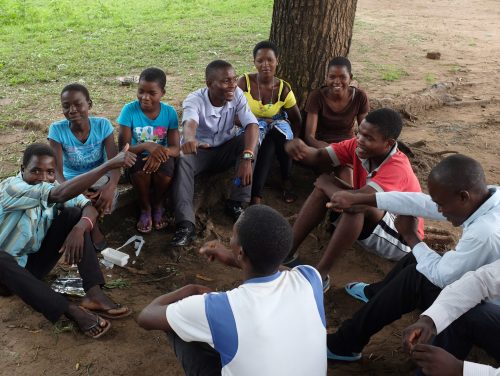
In Malawi, Taksvärkki promotes the empowerment of girls and persons with disability to remove barriers of social participation. Our partner in Malawi is Centre for Youth Empowerment and Civic Education CYECE and it takes place in the Salima area.
The project supports young people’s confidence to take action and fosters a shift in community attitudes. Goal is to increase girls’ decision-making power in matters related to education, sexuality, sexual and reproductive rights and health. The project also strengthens the expertise of the stakeholders for girls’ rights and support for schooling.
Background
A significant proportion of Malawian girls drop out before secondary school, missing out on essential knowledge, skills, and opportunities. Reasons for dropping out include teenage pregnancies, child marriages, gender-based violence, and discrimination.
Up to 42% of girls marry before age 18, and a third have their first child by age 13. Girls’ education is not seen as an investment in the future, while their role as household labor force is emphasized. The quality of education is undermined by factors like large class sizes, fragmented school network, and shortcomings in inclusive education. Students staying in self-boarding facilities are exposed to various risks.
Project
The project enhances opportunities for girls and youth with disabilities to education and participation in community development in Salima district, Malawi. The root causes of school dropout are addressed by, for example, SRHR trainings and peer support groups, improving youth capacity to informed choices. Building self-confidence and challenging harmful traditions are key in preventing school dropouts. The project strengthens community level child protection and reporting mechanisms.
The project strengthens youth capacity, self-confidence, and representation in community structures. Awareness campaigns and dialogue shape attitudes regarding the rights of girls and persons with disabilities. The advocacy work targets to improve quality and accessibility of education and health services. Child protection standards and mechanisms are strengthened with community by-laws and safeguarding committees. Community disability forums improve the realization of the rights of persons with disabilities.
An accessibility assessment tool developed by the Finnish company Riesa Consultative Oy is being tested as part of the project. The goal is to strengthen the accessibility expertise of CYECE, local partner schools, and stakeholders.
Mozambique: Youth Sustain – Meaningful Youth Participation in Sustainable Development
In Mozambique, Taksvärkki ry is partnered with the Associação Comunitária para o Desenvolvimento Humano ASSCODECHA.
Project supports the active participation of youth in the development and decision-making of their communities. It strengthens young people’s access to health services, especially sexual and reproductive health and HIV treatment, and contributes to the mainstreaming of inclusive education and the creation of a learning environment free of discrimination and harassment in schools in the region of Maputo.

Background
Among Taksvärkki’s programme countries, Mozambique is the most fragile, most corrupt, and by many measures the least developed. An estimated 80% of the country’s population was living in poverty.
Underprivilege and lack of prospects experienced by youth are a key structural problem. Sexual violence and harassment faced by girls and young women are widespread. There are practical shortcomings in the inclusivity and accessibility of the school system and youth-friendly health services.
Project
The project promotes youth-led social change based on human rights, gender equality, and social justice. The project is based on the understanding that inequality faced by youth stems from structural barriers in education, healthcare, civic participation, and access to information. When youth rights are guaranteed, they develop critical thinking, organizational skills, and real opportunities for participation, thereby becoming key agents of social change in their communities.
The project supports youth’s active citizenship to promote climate justice, access to health services — particularly sexual and reproductive health and HIV care — and works to ensure that inclusive education is taken into account and to create a learning environment in schools free from discrimination and harassment. The target groups include girls and young women, children and youth in need of remedial teaching, school dropouts or youth not attending school, youth with disabilities, and youth living with HIV.
Nepal: Building Sustainable Communities by Scaling Youth and School Club Learnings to Surrounding Schools and Communities
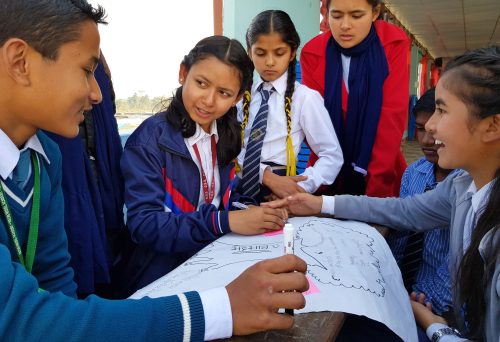
Our partner in Nepal is Environmental Camps for Conservation Awareness ECCA. Project increases opportunities for young people to participate in the development of their own school environment and communities.
Through the trainings young people learn important skills in student council activities and advocacy, as well as knowledge about the importance of clean water, hygiene and the environment for one’s well-being. Youth promote equality in their communities. They share information and break taboos.
Background
Nepal is particularly vulnerable to climate change. In rural areas poor water hygiene, mosquito-borne diseases and inadequate waste management cause epidemics and environmental risks. Inadequate toilet facilities, along with child marriage are key reasons for girl school drop-out in rural Nepal. Discrimination based on gender and social status is common.
Project
The project supports youth participation through student councils, known as child clubs, in eastern Nepal, strengthening collaboration between the child clubs and other school stakeholders for child and environmentally friendly learning environments. The work focuses on supporting the sustainability of the child clubs’ internal structures and their community-oriented activities. In addition, three local youth groups are strengthened and carry out awareness-raising, advocacy, and peer education.
Through child clubs, youth learn civic skills and gain understanding on the importance of WASH and clean environment for well-being. The project reinforces meaningful youth participation in schools, enhancing effective multi-stakeholder collaboration. The project improves the inclusivity, child-friendliness, and climate resilience of learning environments at 16 partner schools, strengthening youth participation and their voice in school and community development processes.
The school improvement efforts make local schools more attractive, thereby reducing dropout rates. Girl’s right to education is strengthened by ensuring toilet privacy, and by addressing menstrual taboos through intergenerational menstrual hygiene management education. Through community campaigns and dialogue, child clubs bring good practices to their communities.
Sierra Leone: Amplifying Voices – Building Capacities to Strengthen Youth and Marginalized Groups to take Leadership Action for Sustainable Development.
Our project in Sierra Leone aims to give youth a stronger voice by developing their communities and society in general. The project launched in 2019 will continue to work to promote the realization of human rights and social inclusion of Sierra Leonean youth. Our partner in Sierra Leone is Centre for Coordination of Youth Activities CCYA.
The project strengthens the participating young people’s collaboration and leadership skills, enabling their advocacy work on behalf of the rights of girls and young persons with disabilities to reach a wide audience. The project also aims to influence decision-making at a national level on youth, education, gender and disability issues.

Background
In Sierra Leone, 60% of the population lives in poverty. In rural areas, the proportion of poor people is even higher. In Sierra Leone, youth under the age of 25 account for over half of the population. 70% of youth are unemployed and 50% are illiterate and lack the skills needed for employment.
Child marriage has traditionally been common in Sierra Leone. In 2024, a law banning child marriage entered into force in Sierra Leone, and its local implementation is being supported by the project youth. Female genital mutilation has been culturally widespread.
Project
The 2026–2029 project involves youth and youth groups in decision-making processes that affect them, and in the sustainable development of their communities and districts. The project strengthens the participation and leadership of youth at local and national level. Youth groups work in their communities in a multi-agency partnership to reduce sexual violence and harassment, teenage pregnancy, child marriage and female genital mutilation.
Similarly, the project raises awareness of the rights and services of persons with disability provided by national development projects. The economic empowerment, inclusion and advocacy work of groups of youth with disability for the rights of persons with disabilities is promoted with the support of the project.
Youth activism also involves raising climate awareness and fostering climate resilience. All children and youth in the project areas will indirectly benefit from the results of successful advocacy work, also with an aim to achieve national development impact.